

aspire : home learning
Aspire Pathway – Home Learning Ideas
How your child learns:
Through communication development, emotional literacy, structured play and early independence.
Please find below resources to help families support their child’s sensory needs, communication skills, and emotional regulation through simple, practical activities you can use at home.
You don’t need specialist equipment or lots of time — small, consistent strategies woven into everyday routines can make a big difference. Whether your child needs help managing big feelings, expressing themselves, or staying focused and regulated, you’ll find ideas and resources here that are flexible, realistic, and designed for real family life.
Explore, try things out, and adapt ideas so they work for your home. You know your child best, and even tiny changes can have a powerful impact over time.
Physical Activites
Dance to music
Family work out videos on youtube
Make a circuit in the house and encourage children to do a different activity in each area (jump/hop/stretch/lie down/touch toes etc)
Foot/hand massage
Balloon volleyball
Jump on the bed/ trampoline
Animal walk – slither like a snake etc
Laps of house or garden (count these together)
Bubble play
Catch and throw a beanbag/ small ball
Bubble wrap on the floor – jump to pop it
Obstacle course in the living room with cushions/blankets to explore
Hang a door fringe from a doorway and jump through
Sit or roll on a gym ball
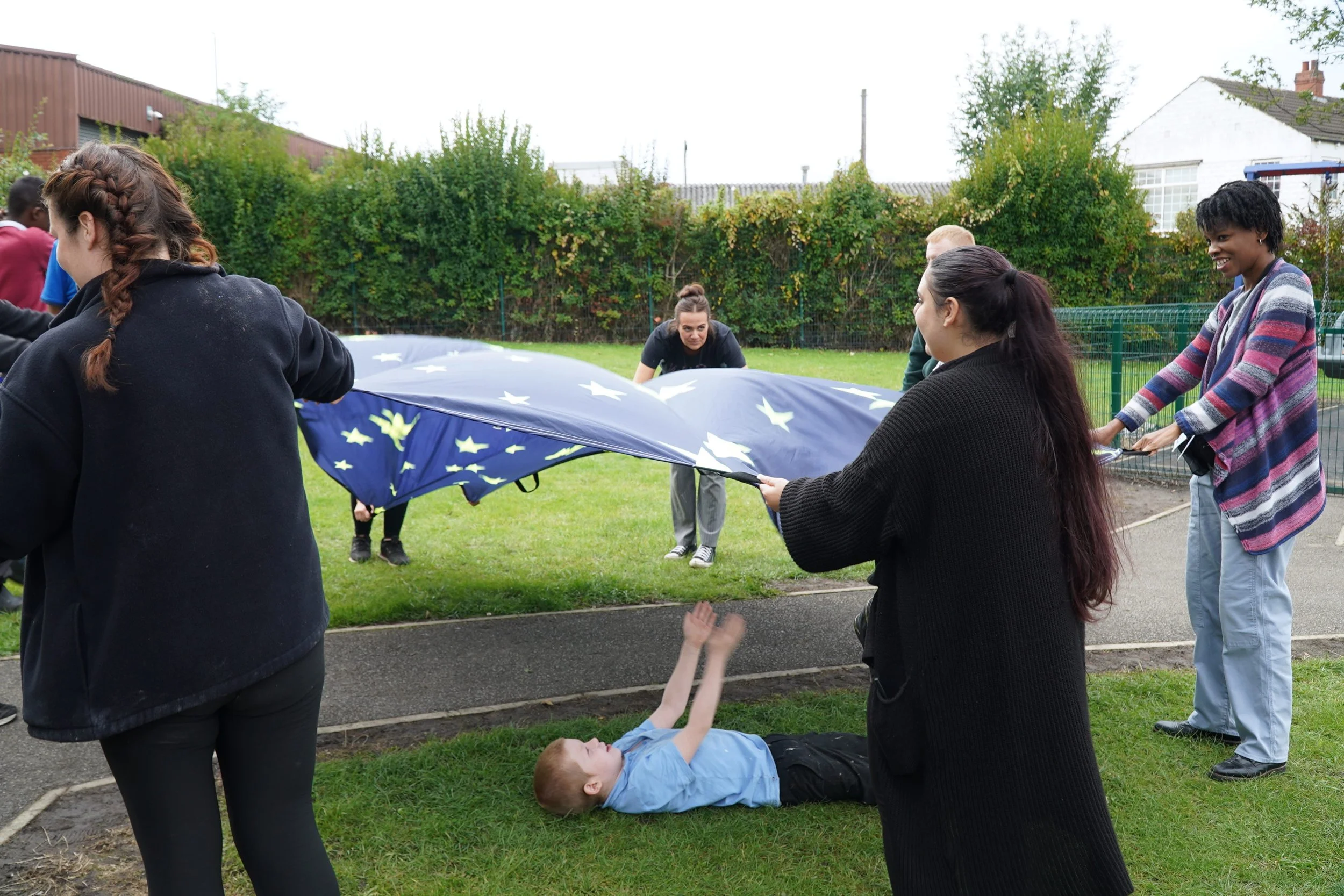
Lie down while you flap a parachute or sheet
Skipping rope
Upside down on the sofa
Calming Sensory Activites
These activities will calm our bodies if we are overstimulated or dysregulated
Wearing Tight Clothing
Quiet time in sensory tent or dark room
Using heavy or weighed blankets or lap pads (check out the whole guide for weighted blankets here and how and when to use weighted lap pads.)
Vibration (is calming rather than alerting when used for longer periods of time)
Handheld massagers
Vibrating cushions/pillows
Teethers and chewable toys
Massage
Kneeding playdough or therapy putty
koosh balls
stress balls
hugs
squeezing into tight spots or behind furniture
wrapping up tightly in blanket
sleeping in stretchy sheets that are tucked in on sides
laying under a large yoga ball
Sit or stand or a wobble cushion or wiggle seat (great for meals, homework, and crafts)
Listening to rhythmic or soft music
Wearing noise cancelling headphones
Watching slow moving or soothing images
Fish tank
Lava lamp
Slow changing lights
Sucking/drinking
Drinking something warm
Sucking thick milkshake through a straw
Drinking something cold
Slow rocking
Rocking chair
Hammock
Messy Play
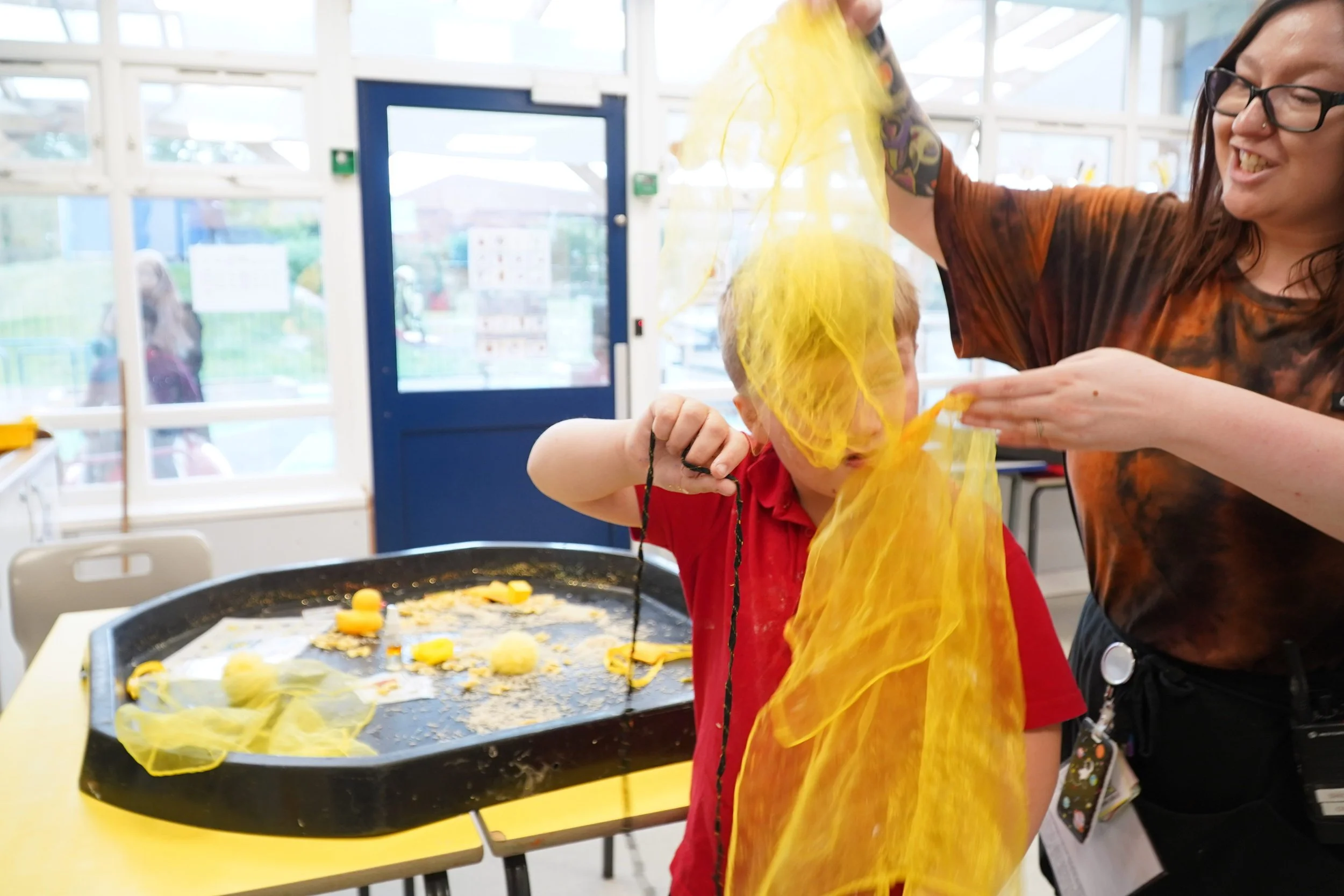
Explore a ‘dry’ resource such as breakfast cereal, rice, pasta, raw chickpeas, in a big tray. Hide interesting items/ favourite toys or figures/ numbers or letter. Dye the resource different colours with food colouring. Use scoops, cups, different sized bowls, whisks etc to explore
Waterplay – fill a big tray with water and fill/empty pour and explore. Change things up by adding food colouring, bubbles, herbs, glitter, ice,warm water. Add plastic sieves, cups, tubes, jugs, spoons
Sand – use play sand or make your own (grind up Jacobs crackers, mix baby oil and flour) explore using buckets, spades, spoons, different sized pots
Decaf coffee grounds and cooked spaghetti (looks like dirt and worms)
Ice – freeze objects inside or dye with food colouring, try big and small iceblocks
Jelly – set toys inside, make different shapes, flavours and colours
Slime and Doughs – experiment with different amounts of dry and wet ingredients, add the wet things slowly and if it gets slushy add some more dry. Add food colouring, smells, spices, herbs, glitter, seeds, lentils – anything to change the appearance, smell and texture. Be aware that not all of these are taste safe, so If your child mouths things then be careful. Make sure all children are supervised at all times.
PVA glue and liquid starch (slime)
Cornflour, edible basil seeds and water (slime)
Chia seeds and water (takes 24 to be ready after mixing) (slime)
Flax seeds and water (takes 24 to be ready after mixing) (slime)
Psyllium husk and water cook in the microwave til its rubbery 1 minute at a time, stir in between (flubber)
Cloud/Fairy Dough - Corn flour and conditioner
Foaming Dough - Shaving cream and corn flour
Paint
Paint tracks by pushing cars through paint
Make stamps with vegetables or use items from the home (potato masher/toothbrush etc) put paint onto a flat sponge and use as the pad for your stamp. Explore with paper
Put paper on the floor and encourage whole body/ footprint painting
Finger paints (make your own by mixing aloe vera gel and food colouring or yoghurt and food colouring)
Mix shaving cream and paint/food colouring
Blend coloured veg with water and flour to make paint (beetroot - pink, carrot – orange, turmeric – yellow, spinach – green, blueberries – purple)
Alerting Sensory Activites
These activities will wake up the muscles in the body. They will stimulate the senses and increase body awareness.
Wheelbarrow walking.
Animal walks (e.g bear walks, crab walking, frog jumps)
Trampolining.
Cycling or using a scooter.
Swings (forward and back, side to side, rotary)
Rough and tumble play.
Deep pressure squishing or sandwiching with pillows or balls
Spinners and roundabouts
Jumping on the spot
monkey bars
ropes
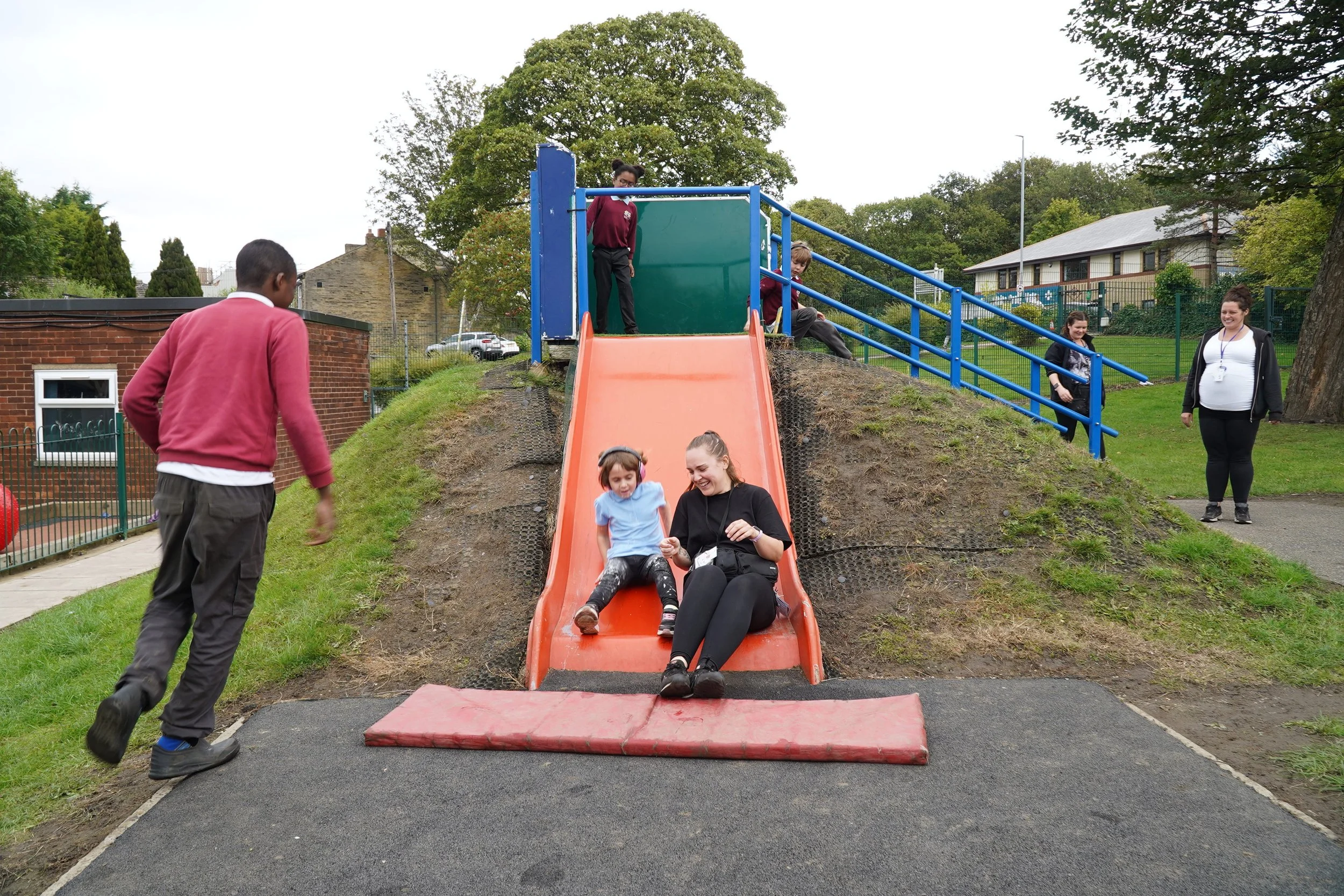
slides
through a tunnel
outdoor swings
swinging child in a blanket
pushing empty wheelie bins inside
raking leaves
pulling weeds
shovelling mud/soil
vacuuming
pushing shopping trolley
carrying a laundry basket
a rope tied to a door knob or heavy object
crunchy foods
salty or spicy foods
chewy jewellery
chewable pencil tops
chewable safe toys
teethers and chewable toys
Vibration (is alerting versus calming when used in short bursts)
handheld massagers
vibrating cushions/pillows
various animal walks (walking like a crab, hopping like a kangaroo, etc.)
row, row, row your boat with a partner
Crashing and jumping into pillows (put all of your pillows or soft toys in a pile on the floor)
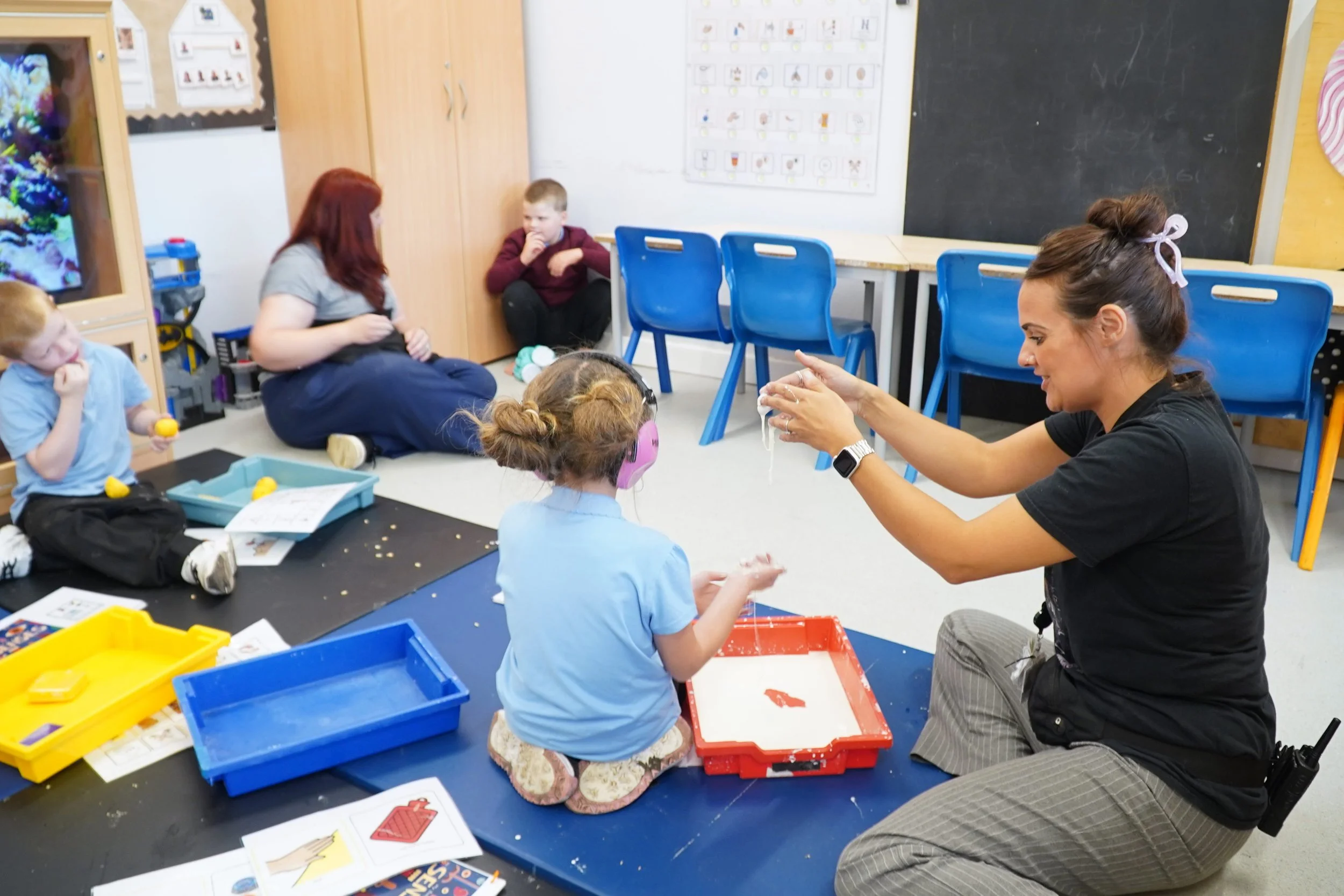
Playing with textures (Stimulates the tactile sense)
shaving cream
finger Paint
mud
wet sand
water
ice
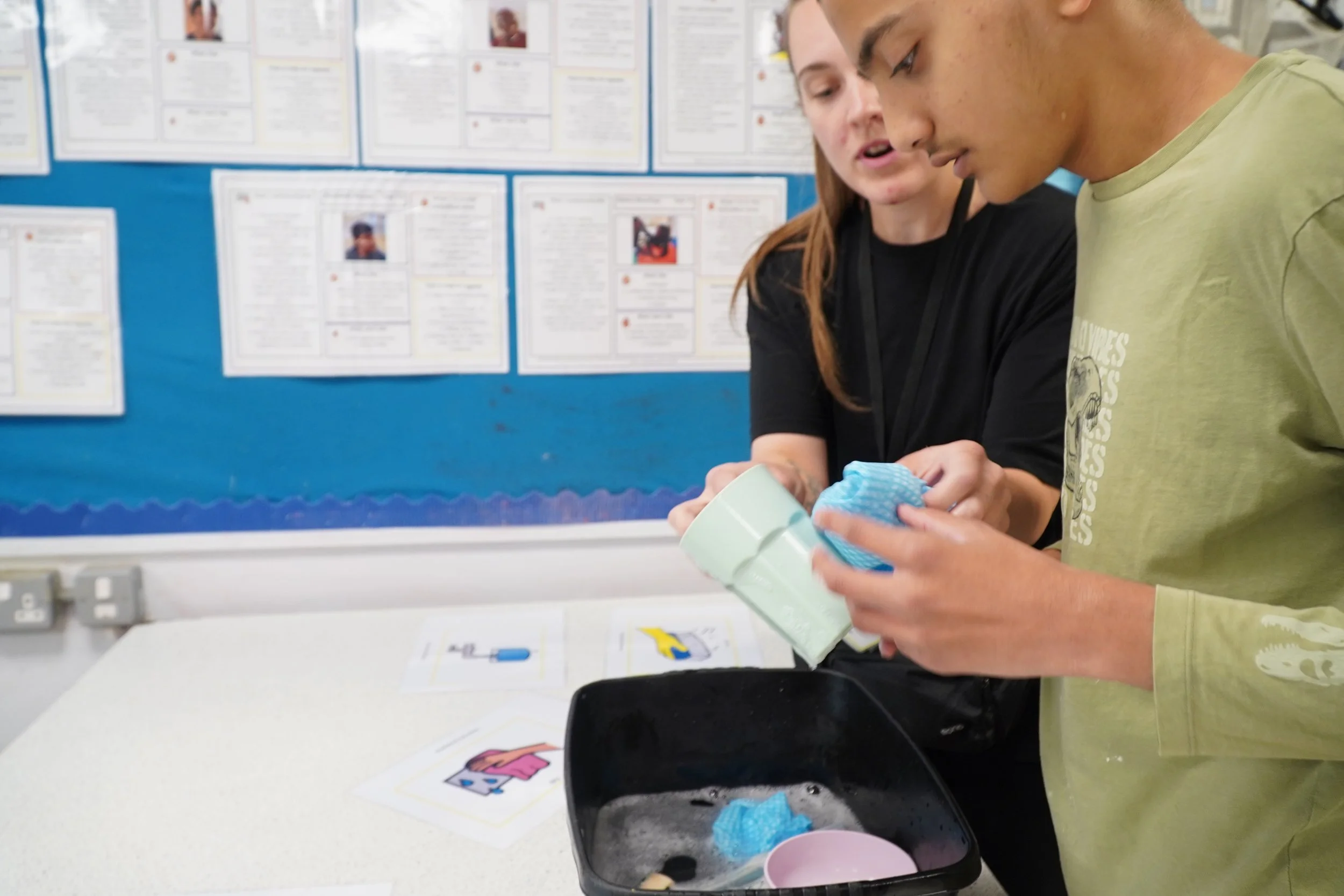
Play Together
Please remember that it is ok if your child doesn’t explore toys in the way you might expect them to, try to follow their interests and join them in their way of exploring. You can model different ways to do it positively
Intensive interaction – join your child at their level and respond positively to their noises, actions and exploration with whatever they are engaging with
Treasure baskets – fill baskets/tubs with ‘like’ objects that are safe moth and explore. See photos
Cars - explore cars and line them up or drive them around, make a ramp with the ironing board and roll them down
Inset Jigsaws
Build towers
Stack mixing bowls or different sized plastic cups
Sort items of different colours into muffin tin holes, plastic pots, egg boxes
Look at books or photos
Sing songs
Fill clear plastic bottles with glitter, oil, water and food colouring to make sensory bottles – explore together
Hide toys under blankets for your children to find
Close the curtains and explore with torches
Put paint into a freezer bag and tape it up, for children to explore
Put hair gel and googly eyes in a tapes up freezer bag
Try a range of hats on in front of the mirror
Put small toys in a box for children to get in and out
Fill a basket with fluffy toys to explore
Play a drum, drop items onto the drum to make a range of noises
Explore shakers and musical instruments
Scribble with pens/crayons onto different surfaces – paper/foil/window/oil cloth/ paper towel/ fabric
Stick stickers onto different surfaces
Playdough
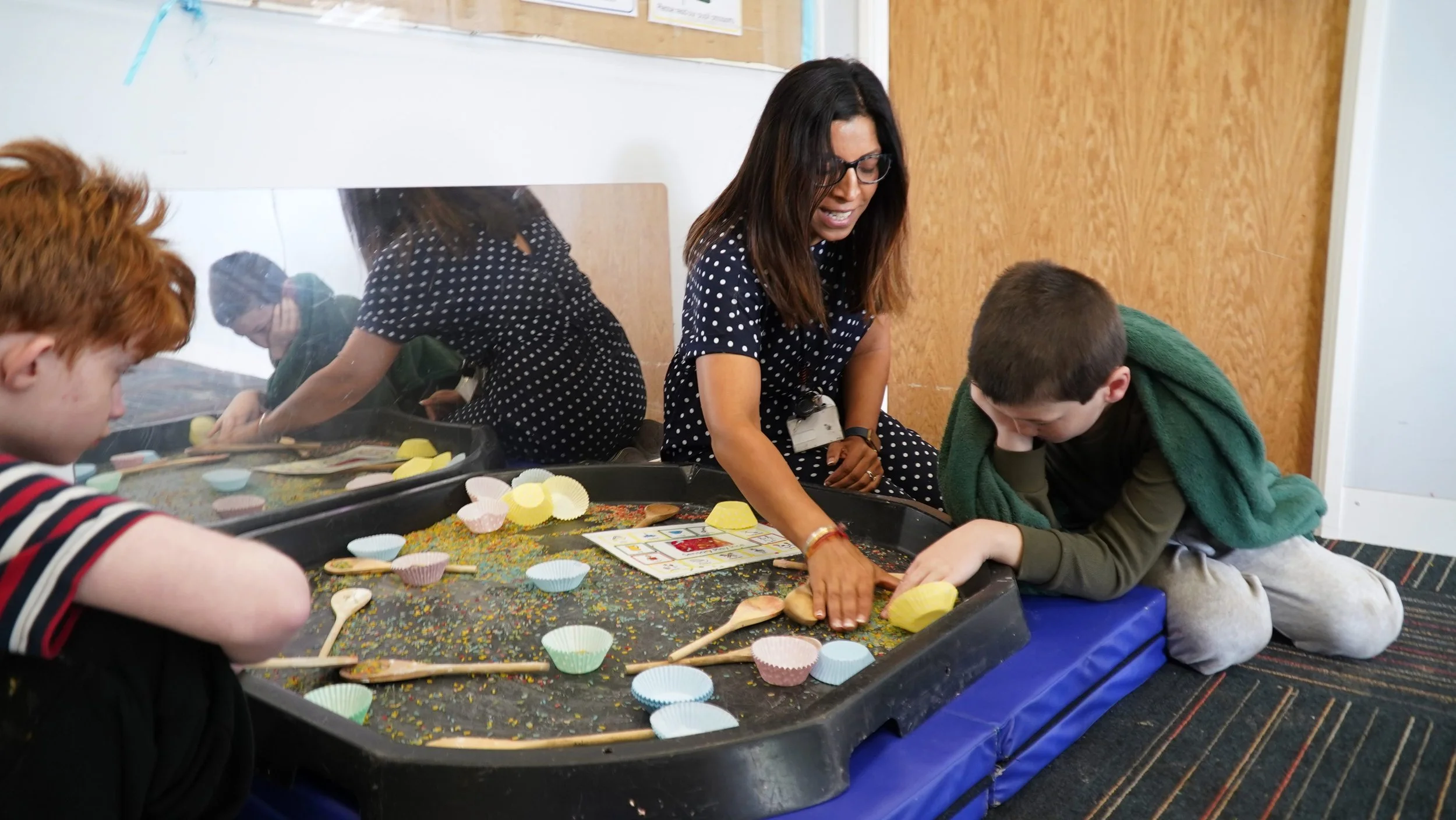
Useful Websites
SingingHandsUK - YouTube - Singing hands includes videos of nursery rhymes and pop songs using Makaton symbols
Sensory Massage Playlist - A playlist of sensory massage songs that learners use in school to help them relax and regulate.
Widgit Symbols - Visial resources
Intensive Interaction - Intensive Interaction resources and videos
Tiny Happy People - Resources and activities to support learners at the early stages of development
Sensory Spectacle - Youtube link for sensory spectacle – resources and videos to help build your understanding and give you the tools you need to support adults and children with sensory processing disorder.